After working with restaurants across Dubai—from independent trattorias to casual dining chains—I've noticed the same menu problems appearing again and again. These mistakes are understandable: owners focus on food quality and customer service, and the menu becomes an afterthought. But the menu is where profitability lives or dies.
Below are the most common issues I see, along with practical ways to address them. No magic formulas—just honest observations from someone who works in kitchens daily.
1. Too Many Items, Not Enough Focus
A menu with 50+ items might seem like good value, but it usually signals trouble. More items means more inventory, more prep, more complexity for kitchen staff, and more chances for waste. Customers get overwhelmed and often default to safe, low-margin choices.
What helps: Identify your top 10-15 sellers. These are usually 60-80% of your revenue. Build your menu around them. Trim the rest aggressively. A focused menu is faster to execute, easier to cost, and creates a clearer identity.
2. Pricing Without Proper Costing
I regularly see dishes priced based on "what feels right" or "what competitors charge" rather than actual food cost calculations. The result: some dishes are dramatically underpriced (popular but unprofitable) while others are overpriced (slow sellers gathering dust).
What helps: Cost every dish properly. Know your target food cost percentage and work backwards. A dish that costs AED 25 to make should sell for at least AED 75-85 to hit a 30% food cost. If it can't sell at that price, reconsider the recipe or remove it.
3. No Clear "Star" Dishes
The best menus have 2-3 standout dishes that customers remember and talk about. These become your identity. Many Dubai menus lack this—everything is "good" but nothing is memorable.
What helps: Pick your best dishes and make them impossible to miss. Better descriptions, hero photography, server recommendations, positioning in the menu layout. Your stars should be high-margin AND popular—that's where profit lives.
4. Ignoring Menu Engineering Basics
Menu engineering isn't complex, but it's often ignored. It means categorising dishes by popularity and profitability, then making strategic decisions. High-profit, low-popularity items need promotion or repositioning. Low-profit, high-popularity items need recipe adjustments to improve margins.
What helps: Run a simple analysis quarterly. Plot each dish on a grid: popularity vs. contribution margin. The data tells you exactly what to promote, adjust, or cut. This is the core of what I do as a chef consultant in Dubai.
5. Inconsistent Portion Sizes
Without standardised recipes and portion controls, the same dish can vary by 20-30% in cost depending on who's cooking. Over a month, this destroys food cost targets and creates customer inconsistency.
What helps: Create recipe cards with exact weights and measures. Train every cook. Use scales, portioning tools, and regular spot-checks. Boring? Yes. Essential? Absolutely.
6. Menu Descriptions That Don't Sell
"Grilled chicken with vegetables" doesn't excite anyone. Menus are sales tools, not inventory lists. Weak descriptions mean lower average checks and missed opportunities.
What helps: Use sensory language, origin stories, and preparation methods. "Free-range chicken breast, herb-marinated and chargrilled, served with seasonal roasted vegetables and rosemary jus" tells a story and justifies a higher price.
Need Help With Your Menu?
I offer practical menu consultations for Dubai restaurants—no theory, just hands-on fixes. We look at your current menu, identify the problems, and create an action plan you can implement immediately.
Learn about chef consultancy servicesThe Bigger Picture
Menu problems rarely exist in isolation. They connect to kitchen layout (can your team actually execute this menu efficiently?), supplier relationships (are you getting the best prices?), and staff training (does everyone know the recipes?).
Fixing the menu often reveals other issues that need attention. That's why I take a holistic approach when working with restaurants—the menu is usually the starting point, not the ending point.
Related Reading
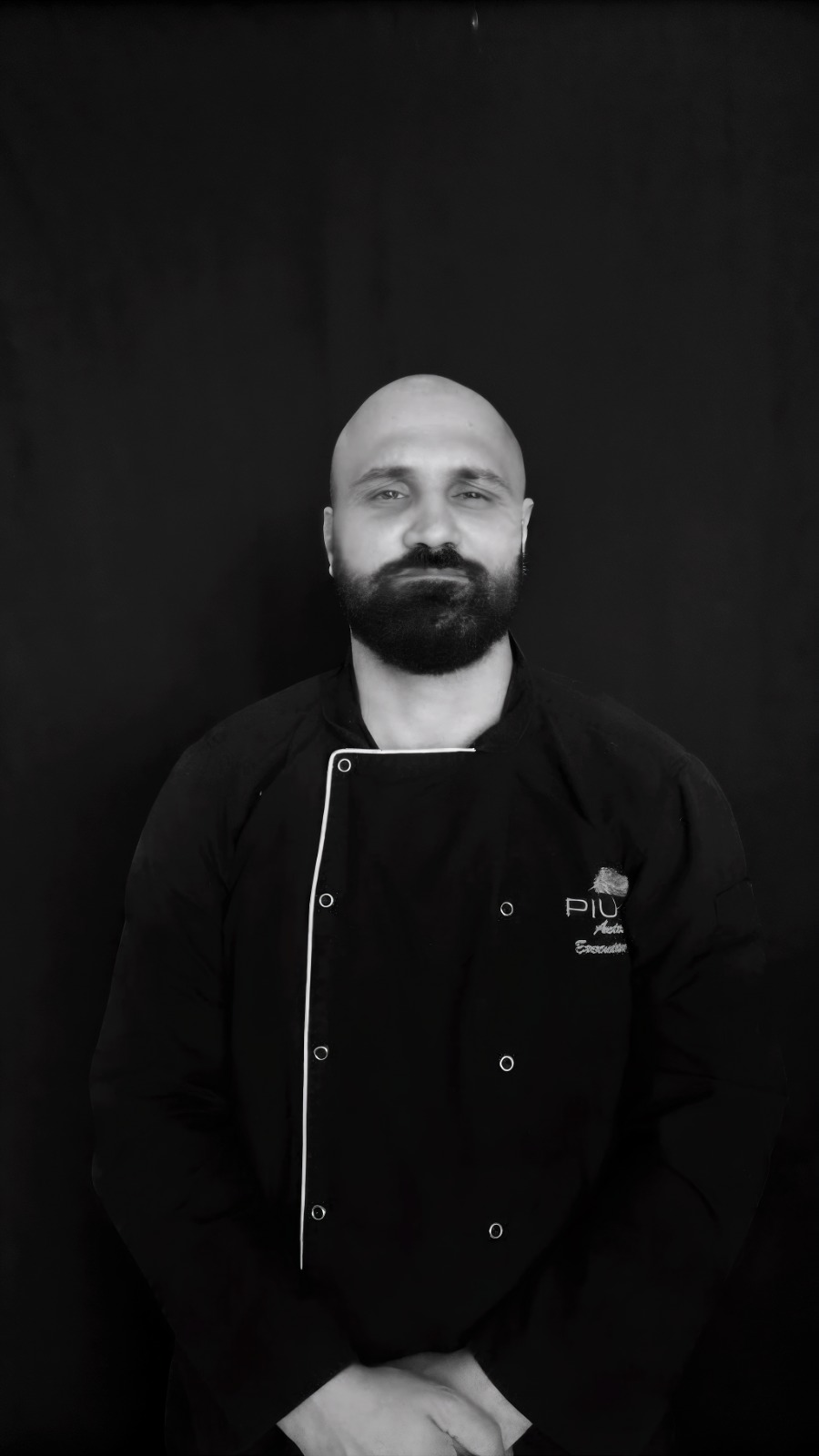
Chef Antonino
Italian chef and restaurant consultant based in Dubai. I work with restaurants on menu engineering, kitchen optimisation, and staff training. I also offer private chef services and Italian cooking classes.